
Many homeowners face the challenge of mixing components from different retailers when updating their spaces. This approach often makes sense for budget-conscious projects, especially when working with second-hand finds or looking to refresh an existing kitchen without full replacement.
The most crucial factor in achieving a successful blend between brands is hinge compatibility. Real experiences from DIY enthusiasts show that alignment issues can arise, but practical solutions exist to overcome them.
Careful measuring and planning prevents mismatches in size or colour that could disrupt your kitchen’s aesthetic. With some adjustments like drilling new pilot holes or adding soft-close mechanisms, you can create a cohesive look.
This guide explores the specifications, modifications, and alternatives available to help you achieve a seamless transformation. Whether you’re working with garage conversions or eBay discoveries, attention to detail makes all the difference.
Key Takeaways
- Hinge alignment represents the most critical compatibility factor between different brands
- Practical modifications like drilling new holes can facilitate better fitting
- Accurate measuring prevents size and colour mismatches that disrupt aesthetics
- Blending components from various retailers offers significant cost savings
- Soft-close hinges can be incorporated to enhance functionality
- Careful planning ensures a cohesive look without full renovation
- This approach works particularly well with second-hand or budget-friendly options
Understanding B&Q and Wickes Kitchen Components
When blending elements from different retailers, knowing the technical details becomes your greatest advantage. Both companies follow industry norms yet maintain distinct specifications that affect compatibility.
Standard Sizes and Brand Specifications
Most UK manufacturers use common dimensions for cabinetry. You’ll typically find widths of 500mm or 600mm across both ranges.
You Might Also Like:

This standardisation helps initial alignment but doesn’t ensure seamless integration. The Dallas range from one retailer demonstrates how subtle variations occur within these measurements.
Colour matching presents another crucial consideration. Shades with identical names can differ significantly between brands.
For example, “Pure White” from one source may not match another’s “Bright White” tone. Always compare physical swatches before committing to purchases.
Key Differences in Hinge Positioning and Mechanisms
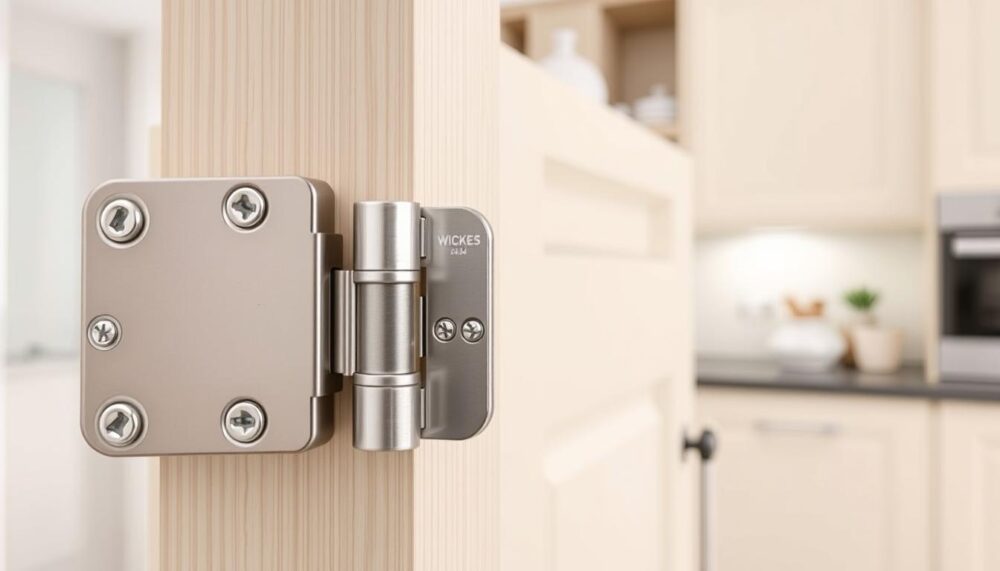
Hinge placement varies notably between these suppliers. One typically sets hinges at 6mm while the other uses 11mm measurements.
This 5mm difference might seem small but causes noticeable misalignment. It requires adjustments during installation for proper operation.
Soft-close mechanisms also differ in quality and performance. Some systems offer smoother, more refined operation compared to standard options.
These variations mean homeowners should verify every specification carefully. Checking product details from both retailers prevents unexpected issues during your project.
Understanding these components helps plan necessary modifications. You might need to drill new fixing points or select alternative mechanisms.
This knowledge forms the foundation for successful mixed-brand installations. It saves time and reduces frustration throughout the process.
What Makes Kitchen Doors and Units Compatible?
The success of mixing brands hinges on precise mechanical alignment and aesthetic cohesion. Several factors determine whether components from different manufacturers will work together seamlessly.
Understanding these compatibility elements helps homeowners avoid common pitfalls. It ensures your renovation project stays on track and within budget.
The Critical Role of Hinge Alignment
Hinge positioning represents the most crucial compatibility factor between different brands. Even millimetre differences in plate placement can prevent proper installation.
Standard hinges often have limited adjustment ranges. This limitation may require drilling new pilot holes or using adjustable mechanisms.
Many homeowners discover that hinge plates sit at different depths between manufacturers. This variance affects how doors sit against cabinet frames.
Proper alignment ensures smooth operation and prevents uneven gaps. It’s the foundation of any successful mixed-brand installation.
Common Challenges When Mixing Different Brands
Several obstacles frequently appear when combining components from various suppliers. Awareness helps you prepare solutions in advance.
Older or non-standard units often pose significant challenges. Their dimensions may not align with modern replacement options.
Cabinet warping over time creates additional complications. This natural settling process can affect door alignment and require extra adjustments.
Colour matching presents another frequent issue. Identically named shades from different brands rarely match perfectly.
Real-world scenarios illustrate these challenges effectively. Mixing older MFI units with contemporary doors shows how design evolution affects compatibility.
These hurdles underscore the importance of thorough planning. Measuring hinge positions and checking unit conditions prevents surprises during installation.
While compatibility issues might seem daunting, they’re manageable with the right approach. Adjustable hinges and custom solutions offer practical workarounds.
Anticipating these challenges helps homeowners budget appropriately. It also ensures realistic timelines for DIY projects.
Understanding compatibility factors leads to informed decisions. This knowledge transforms potentially frustrating projects into successful kitchen updates.
Will B&Q Kitchen Doors Fit Wickes Cupboards? The Direct Answer
Real-world installation experiences show that minor modifications can bridge the gap between different manufacturers’ specifications. The straightforward response is yes, these components can work together, but successful integration requires practical adjustments rather than expecting perfect compatibility straight from the box.
Many homeowners have achieved excellent results by making simple alterations to hinge placements and checking measurements thoroughly. This approach typically delivers substantial savings while creating a cohesive appearance in your space.
Real-World DIY Experiences and Case Studies
Practical examples from renovation projects demonstrate how mixing brands can yield impressive results. One homeowner reported saving approximately £15 per unit by combining second-hand components from different retailers.
Another successful case involved a garage conversion where the owner used cabinets from one supplier with fronts from another. Careful planning and precise adjustments created a unified look that appeared purpose-designed.
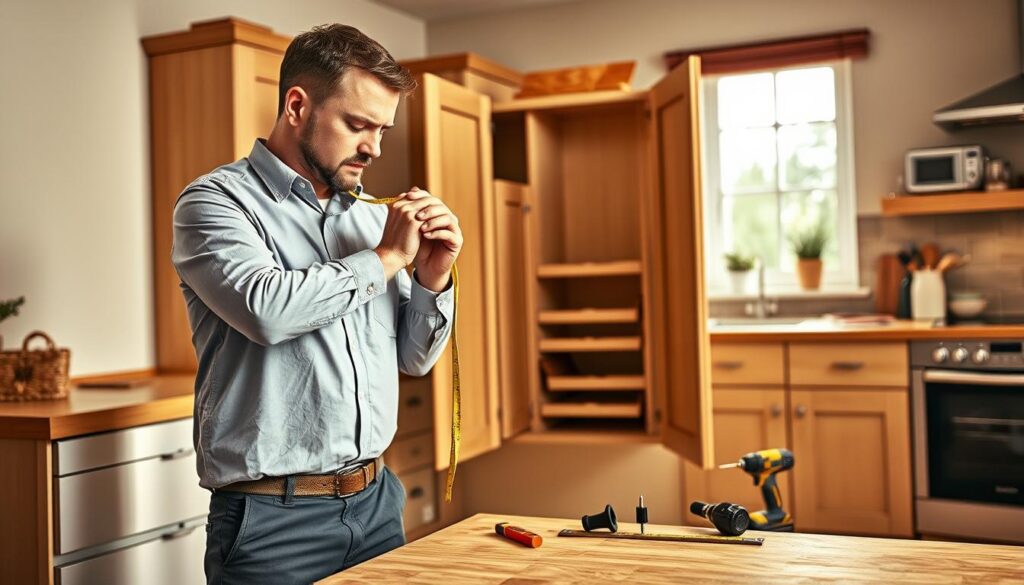
Online marketplace finds often feature in these success stories. Purchasers of pre-owned units frequently blend elements from various sources to achieve their desired aesthetic while maintaining strict budget control.
These real-life situations prove that technical specifications differences can be overcome with patience and careful work. The finished projects showcase how mixed-brand installations can look completely intentional and professionally executed.
Key Factors That Determine a Successful Fit
Several crucial elements influence whether your cross-brand project will succeed. Understanding these factors helps you anticipate challenges and plan appropriate solutions.
Hinge compatibility remains the most critical consideration. Even millimetre differences in mounting positions can prevent proper operation, requiring new pilot holes or adjustable mechanisms.
Accurate measurement checking prevents disappointing mismatches. Always verify dimensions before purchasing any replacement elements to ensure they align with your existing setup.
The condition of current components significantly affects outcomes. Warped frames or damaged surfaces may need remediation before new additions can be properly installed.
| Success Factor | Importance Level | Common Solutions |
|---|---|---|
| Hinge Alignment | Critical | Drill new holes, use adjustable hinges |
| Size Matching | High | Precise measuring, tolerance checking |
| Colour Consistency | Medium-High | Physical sample comparisons |
| Component Condition | Medium | Frame repairs, surface preparation |
Budget considerations should include potential hidden expenses. Additional tools, fittings, or professional assistance might be necessary, so factor these into your overall project costing.
Success ultimately depends on the installer’s patience and attention to detail rather than brand compatibility alone. Rushing the process typically leads to disappointing results that require reworking.
With careful preparation and realistic expectations, achieving a beautiful, cost-effective result is entirely feasible. Many DIY enthusiasts have created stunning spaces using this mixed-brand approach.
Practical Modifications for a Perfect Fit
Transforming mixed-brand components into a cohesive installation requires practical adjustments rather than perfect compatibility. Simple modifications can bridge the gap between different manufacturers’ specifications, creating a seamless appearance in your cooking space.
These techniques offer cost-effective solutions for budget-conscious projects. They transform potential obstacles into manageable tasks for most DIY enthusiasts.
Drilling New Pilot Holes: A Step-by-Step Approach
Creating new fixing points represents one of the most effective methods for achieving proper alignment. This approach allows you to adjust hinge positions between different cabinet systems.
Measure twice to ensure accuracy before making any modifications. Use a quality tape measure and mark positions clearly with a pencil.
Select the appropriate drill bit size for your specific hinges. Typically, 3mm or 4mm bits work well for most standard fittings.
Apply steady pressure when drilling to create clean, precise holes. Avoid rushing this process to prevent splintering or damage to surfaces.
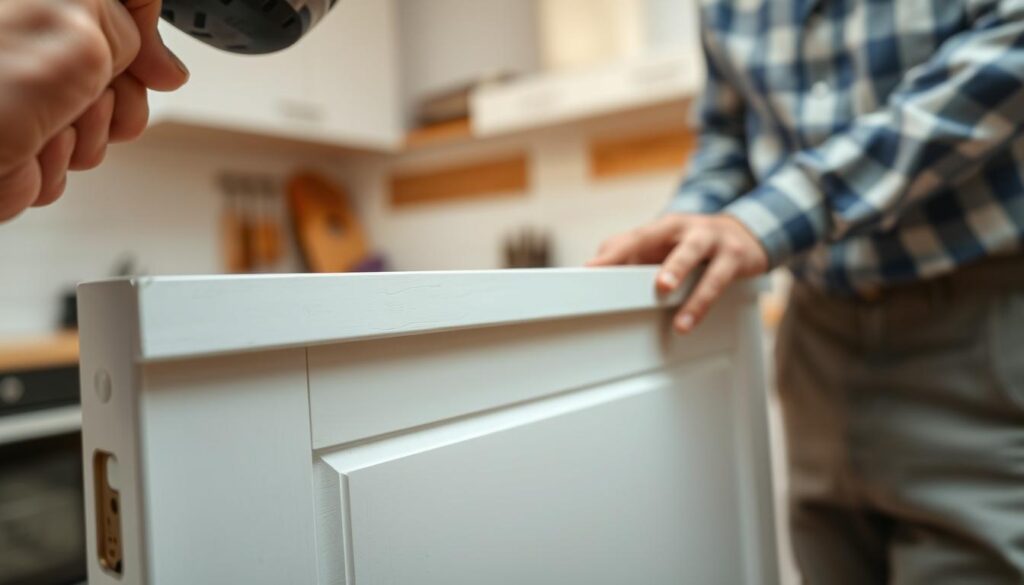
Test fit the hinges after drilling to verify proper alignment. Make minor adjustments if necessary before final installation.
This method proves particularly useful when working with second-hand finds. It allows you to adapt older units to accept contemporary styles.
Utilising Soft-Close Hinges and Other Adaptations
Upgrading to quality mechanisms enhances both functionality and longevity. Soft-close systems from brands like Blum offer superior performance compared to standard options.
These specialised fittings provide several advantages for mixed-brand installations:
- Enhanced durability through controlled closing mechanisms
- Flexible alignment tolerances that accommodate slight variations
- Reduced wear on both the hinges and cabinet frames over time
- Smoother operation that feels more refined and professional
Many homeowners find that investing in quality mechanisms justifies the additional cost. The improved user experience transforms daily interactions with your storage solutions.
Custom-made options from UK manufacturers present another excellent alternative. Companies like DIY Kitchen Doors create tailored products to specific measurements.
These bespoke solutions typically require 10-12 working days for production. Plan your project timeline accordingly if choosing this route.
Remember that modifications should match your skill level and available tools. Simpler adjustments like drilling often suit beginners better than complex alterations.
With patience and careful work, these practical adaptations deliver professional results. They transform potentially frustrating projects into successful kitchen updates that look completely intentional.
Alternative Strategies for Your Kitchen Project
Exploring alternative approaches can transform your kitchen project from a compromise into a customised success story. While mixing components offers one solution, other routes might better suit your specific needs and circumstances.
Understanding all available options ensures you make informed decisions about your space. Each approach presents unique advantages depending on your budget, timeline, and desired outcome.
Considering Made-to-Measure Replacement Doors
Custom-crafted solutions from specialists like Happy Doors provide an excellent alternative to mixing brands. These bespoke creations guarantee a perfect fit regardless of your existing units’ origins.
The benefits extend beyond mere compatibility. You receive a comprehensive six-year guarantee covering materials and workmanship.
Homeowners appreciate the extensive style and colour selection available. This variety ensures your new elements complement your existing decor seamlessly.
Production typically requires 10-12 working days, so plan accordingly if choosing this route. The wait proves worthwhile for those seeking guaranteed results without compatibility concerns.
These premium products use quality MDF with FSC® and PEFC™ certification. Environmentally conscious shoppers appreciate the sustainable credentials behind their purchase.
Flexible payment options like Klarna make custom solutions more accessible. Spreading costs helps manage budgets while achieving superior results.
Cost-Benefit Analysis: Mixing Brands vs. Buying New
Evaluating financial implications helps determine the smartest approach for your situation. Each option presents distinct advantages and potential drawbacks worth considering.
Mixing components can save approximately £15 per unit compared to new purchases. These savings become significant when updating multiple elements throughout your space.
However, hidden expenses might emerge during the modification process. Additional tools, fittings, or professional assistance could affect your overall budget.
Complete replacement offers convenience but involves higher upfront investment. New units eliminate compatibility issues but require more substantial financial commitment.
Consider these typical price ranges for replacement elements:
- Small kitchens begin around £350
- Average projects cost approximately £500
- Larger spaces range between £750-£1,000
Time investment represents another crucial factor. DIY modifications demand patience and effort, while professional installations offer speed but increase costs.
Many homeowners complete replacement projects within hours using provided guides. The simplicity of installation makes this approach attractive for those seeking quick transformations.
Ultimately, your decision should balance immediate savings against long-term satisfaction. Consider how each option aligns with your renovation goals and practical capabilities.
Evaluate all alternatives based on your specific needs, available budget, and DIY confidence. The right choice depends on what matters most for your particular circumstances and vision.
Conclusion
Blending components from different retailers offers a smart path to refresh your space without full replacement. Success hinges on precise measurements and careful hinge alignment.
Real experiences show potential savings around £15 per unit. Remember to factor in tools and time for modifications like drilling new holes.
Patience and attention to detail transform challenging projects into beautiful results. Many homeowners achieve stunning transformations through garage conversions or online marketplace finds.
Explore all options from mixed brands to custom solutions based on your budget and vision. With the right approach, you can create a cohesive look that appears purpose-designed.
Happy DIY-ing with your kitchen update project!
FAQ
Are B&Q and Wickes kitchen cabinets the same size?
Generally, both brands follow standard UK sizing, but there can be slight variations. It’s always best to measure your existing units carefully before purchasing any replacement doors to ensure a proper fit.
What’s the biggest issue when fitting B&Q doors to Wickes cupboards?
The most common challenge is hinge alignment. The positions of the pre-drilled holes for the hinges often differ between brands, which usually means you’ll need to drill new pilot holes for a secure fit.
Can I use the existing hinges from my Wickes units on new B&Q doors?
Possibly, but it’s not guaranteed. Hinge mechanisms can vary. You may find it easier to purchase new hinges that are compatible with both the door’s design and your cupboard’s mounting plate, especially if you want features like soft-close.
Is it a difficult DIY job to make them fit?
For someone with moderate DIY skills, it’s a manageable project. The main task involves carefully marking and drilling new holes for the hinges. Taking your time and using the right tools is key to a professional-looking finish.
Are there any good alternatives to mixing brands?
Absolutely. If modifications seem daunting, consider made-to-measure replacement doors. Many companies specialise in crafting new doors and drawer fronts to your exact specifications, ensuring a perfect fit for your current units without the hassle.
Is swapping just the doors a cost-effective way to update my kitchen?
Often, yes! Replacing only the doors and drawer fronts can transform the look of your space for a fraction of the cost of a completely new kitchen. It’s a brilliant budget-friendly solution for a stylish update.