
Concrete is often seen as a strong, reliable material that can withstand decades of use. From sidewalks and driveways to foundations and industrial floors, it is the backbone of countless structures. However, despite its durability, concrete is not indestructible. Over time, environmental factors, heavy loads, and natural wear can cause damage that, if ignored, may turn into serious hazards. Recognizing the early warning signs of concrete deterioration is crucial to preventing accidents, costly repairs, and structural failures. Here are the top indicators that your concrete needs professional attention before it becomes dangerous.
Cracks That Keep Growing
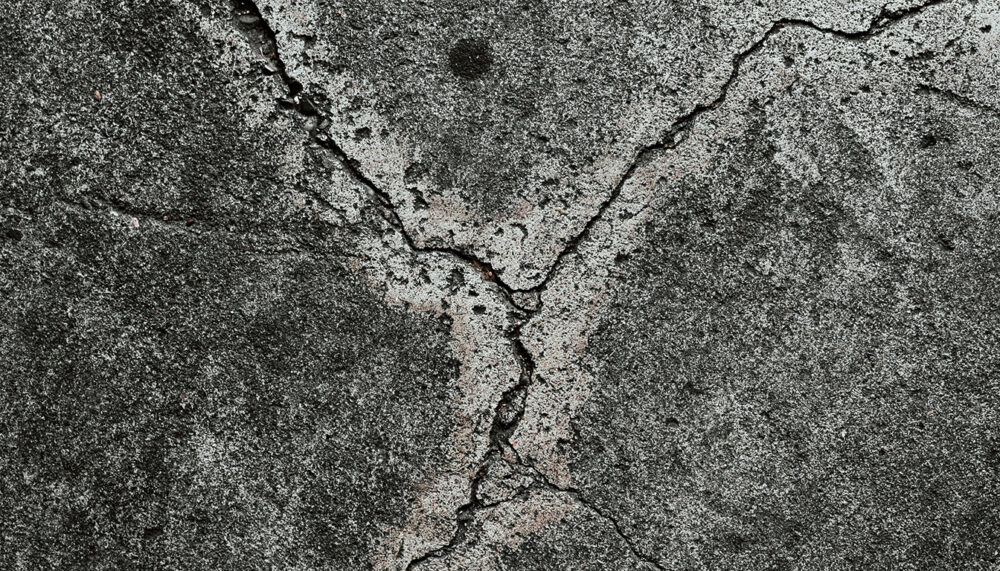
Cracks are one of the most common signs of concrete distress. While small hairline cracks may seem harmless, they can quickly expand under pressure from water infiltration, freeze-thaw cycles, or shifting soil. When cracks widen or spread across a surface, they compromise the structural integrity of the concrete. Left untreated, they allow moisture to seep in, which can corrode reinforcement steel and lead to further damage. Professionals often use epoxy injections or sealants to repair cracks, but the key is to act early before they become deep structural issues.
Uneven or Sunken Surfaces
Concrete slabs that appear uneven or sunken are more than just unsightly—they can be hazardous. Driveways, sidewalks, and patios that have settled unevenly create tripping risks and may indicate soil erosion or poor compaction beneath the slab. In foundations, uneven concrete can signal serious structural problems. Techniques such as slab jacking or polyurethane foam injection are commonly used to lift and stabilize sunken concrete. Addressing settlement early prevents further damage and ensures safety.
Spalling and Flaking
Spalling occurs when the surface of concrete begins to chip, flake, or peel away. This often results from freeze-thaw cycles, poor finishing, or corrosion of embedded steel reinforcement. Spalled concrete not only looks deteriorated but also exposes deeper layers to moisture and chemical damage. If ignored, spalling can spread and weaken the entire structure. Concrete repair typically involves removing the damaged surface and applying a strong repair mortar or overlay to restore durability.
Water Pooling and Drainage Issues
Concrete surfaces are designed to shed water efficiently. When water begins to pool on driveways, sidewalks, or floors, it indicates improper drainage or surface damage. Standing water accelerates deterioration by seeping into cracks and pores, leading to scaling and erosion. In colder climates, pooled water can freeze, causing expansion and further cracking. Professionals often address this issue by resurfacing the concrete or improving drainage systems to prevent long-term damage.
Discoloration and Stains
While discoloration may seem like a cosmetic issue, it can be a warning sign of deeper problems. Rust-colored stains often indicate corrosion of reinforcement steel within the concrete. Dark patches may suggest moisture infiltration, while white powdery deposits (efflorescence) point to water movement through the concrete. These signs should not be ignored, as they often precede structural weakening. Cleaning and sealing may help, but professional inspection is necessary to determine the underlying cause.
You Might Also Like:





Exposed Reinforcement
Concrete is designed to protect the steel reinforcement inside it. When cracks or spalling expose the steel, corrosion becomes inevitable. Rusting steel expands, causing further cracking and weakening of the surrounding concrete. This is one of the most serious signs of deterioration, as it directly affects structural strength. Immediate repair is essential, often involving removal of damaged concrete, treatment or replacement of steel, and application of protective coatings.
Excessive Wear and Surface Erosion
In high-traffic areas such as industrial floors, parking lots, or sidewalks, concrete can wear down over time. Surface erosion reduces traction, making it slippery and unsafe. It also exposes deeper layers to damage. If you notice smooth, polished patches or areas where aggregate is visible, it is a sign that the concrete surface is wearing away. Resurfacing or applying protective coatings can restore safety and extend the lifespan of the structure.
Conclusion
Concrete may be tough, but it is not immune to damage. Cracks, spalling, uneven surfaces, water pooling, discoloration, exposed reinforcement, and surface erosion are all warning signs that repairs are needed. Ignoring these issues can lead to hazards ranging from tripping accidents to structural collapse. By recognizing these signs early and seeking professional repair, property owners can protect both their investment and the safety of those who use the space. Concrete repair is not just about aesthetics—it is about preventing hazards and ensuring long-term durability. Acting promptly when these signs appear is the best way to keep your concrete strong, safe, and reliable for years to come.