

Embarking on a kitchen renovation project brings both excitement and challenges. Creating your dream space requires careful planning and professional guidance. The right expertise transforms your vision into a functional, beautiful reality.
Local kitchen designers offer personalised service that national chains cannot match. They understand regional styles, building regulations, and local suppliers. This knowledge ensures your project runs smoothly from concept to completion.
A good design service begins with understanding your needs and lifestyle. Professionals assess your space, storage requirements, and cooking habits. They then create layouts that maximise both style and practicality for your home.
This guide helps you navigate the selection process with confidence. We cover everything from initial research to final decisions. You’ll learn to identify designers who align with your vision and budget.
Key Takeaways
- Local designers offer superior personalised service and knowledge of regional requirements
- Initial consultations focus on understanding your lifestyle and spatial needs
- Proper planning ensures your new kitchen combines aesthetics with functionality
- Evaluating multiple designers helps find the best match for your project
- Professional guidance transforms renovation dreams into practical reality
- Understanding the design process reduces stress and improves outcomes
- Investment in good design pays dividends in daily utility and enjoyment
Why Choose a Local Kitchen Designer for Your Project
Selecting a local professional brings distinct advantages that national companies simply cannot match. These experts offer tailored solutions shaped by intimate knowledge of your area’s unique characteristics.
You Might Also Like:



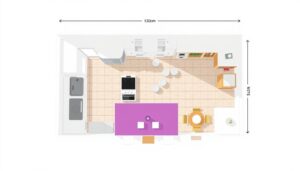

Benefits of Working With Local Professionals
Local designers maintain excellent relationships with regional suppliers and tradespeople. This network ensures smoother coordination and potentially better pricing for your project.
You’ll enjoy quicker response times and easier accessibility for meetings. Having someone nearby means they can address issues promptly as they arise.
“A local designer understands the heartbeat of your community and translates that into your home’s most important room.”
Understanding Regional Property Styles and Planning Considerations
These professionals possess deep knowledge of local building regulations and planning requirements. They understand regional architectural styles that might affect your kitchen’s design.
From Victorian terraces to modern new builds, local experts recognise what works best for different property types. This insight ensures your renovation respects local character while meeting modern living needs.
| Consideration | Local Designer Advantage |
|---|---|
| Planning Permissions | Knowledge of local council requirements |
| Building Regulations | Familiarity with area-specific codes |
| Supplier Networks | Established relationships with local trades |
| Style Compatibility | Understanding of regional architectural features |
The Advantage of Personal, Hands-on Service
Local designers provide in-person home visits to properly assess your space. They evaluate lighting conditions and layout challenges that photos might miss.
You receive personalised attention throughout your renovation journey. From initial concepts to final installation, they offer continuous support and guidance.
Many local professionals have established community reputations you can verify through personal recommendations. This reassurance adds confidence to your selection process.
Choosing someone nearby means they understand local property challenges and opportunities. Their hands-on approach transforms your vision into a practical, beautiful reality that perfectly suits your home and lifestyle.
How to Find the Best Kitchen Designers in Your Area
Discovering the right professional for your renovation requires careful research and evaluation. This process helps ensure you select someone who truly understands your vision.
Focus on specialists with proven experience in projects similar to yours. Their expertise will be invaluable in creating a functional and beautiful space.

Effective Online Search Strategies for Local Designers
Begin your search on platforms like Houzz and Google. These sites feature verified customer feedback and project portfolios.
Use specific location-based terms to narrow results. This approach helps identify professionals serving your immediate area.
Check specialist review sites that focus on home improvements. They often provide detailed insights into local service quality.
Evaluating Reviews and Testimonials on Trusted Platforms
Read comprehensive reviews discussing the entire process. Look for feedback covering consultation through to completion.
Platforms like Trustist and Houzz offer genuine customer experiences. These reviews reveal how designers handle challenges.
As highlighted in our guide to choosing kitchen installers, online feedback often notes positive indicators like attention to detail and problem-solving approaches.
Assessing Portfolios and Recent Project Examples
Examine portfolios thoroughly for projects matching your home’s style. Look for evidence of creative solutions in challenging spaces.
Seek out real project images showing owners using their new kitchens. Videos can demonstrate daily functionality and flow.
Check if materials and products are clearly listed. This transparency ensures you understand exactly what you’re getting.
Checking Credentials and Professional Affiliations
Verify membership with organisations like the British Institute of Kitchen, Bedroom and Bathroom Installation. These affiliations indicate professional standards.
Confirm whether they offer design-only or full installation services. Understanding their service scope prevents misunderstandings later.
Check their relationships with quality manufacturers. Strong supplier connections often translate to better product choices.
“A designer’s portfolio should tell the story of how they transform ordinary spaces into extraordinary living areas.”
Look for evidence of innovative storage solutions and space utilisation. These skills are particularly valuable in smaller or awkwardly shaped rooms.
Consider their experience with your property type, whether period homes or modern apartments. Specialisation often leads to better results.
Evaluate their project management capabilities through client testimonials. Smooth coordination ensures your renovation stays on track.
What to Expect During a Kitchen Design Consultation
Your initial consultation marks the exciting beginning of transforming your culinary space. This meeting allows you to share your vision while receiving professional guidance. The session typically lasts one to two hours, depending on your project’s complexity.
Preparing for Your First Meeting With a Designer
Gather inspiration images showing styles and features you admire. Measure your current space and note any structural limitations. Consider your budget parameters and ideal timeline beforehand.
Many professionals appreciate receiving rough floor plans in advance. This preparation helps maximise your consultation time. Some designers prefer showroom meetings, while others offer remote options via Zoom.
Create a list of priorities and must-have elements for your new kitchen. Think about storage requirements and workflow preferences. This preparation ensures you cover all important aspects during your discussion.
The Home Visit and Space Assessment Process
Your designer will conduct a thorough evaluation of your existing layout. They take precise measurements and assess structural elements like walls and windows. This detailed analysis informs their proposed solutions.
They examine lighting conditions and traffic patterns within the space. Professionals identify potential challenges and opportunities you might overlook. This hands-on assessment forms the foundation for intelligent design choices.
The evaluation includes checking plumbing and electrical configurations. These practical considerations ensure proposed changes remain feasible. Your designer balances aesthetic aspirations with structural realities.
Discussing Your Lifestyle Needs and Design Preferences
Expect detailed questions about your household’s daily routines and cooking habits. Designers explore how you entertain guests and use the space socially. These conversations reveal functional requirements beyond basic storage.
You’ll explore colour schemes, material choices, and specific feature preferences. Professionals help translate your style aspirations into practical designs. They consider maintenance requirements and long-term durability.
“The best consultations feel like conversations between friends who share a passion for creating beautiful, functional spaces.”
Designers propose solutions for improving workflow and functionality. They might suggest innovative storage options or layout adjustments. Their expertise helps maximise your space’s potential while reflecting your personal style.
Understanding Project Timelines and Next Steps
Your designer outlines realistic timelines for each project phase. They explain the design process, manufacturing lead times, and installation schedules. This transparency helps manage expectations from the outset.
You’ll discuss budget considerations and prioritisation strategies. Professionals help allocate your investment where it matters most. They explain their service structure and what deliverables to expect.
Ask about their use of 3D visualisation tools during the design development. These technologies help you visualise proposals before making commitments. Understanding the revision process ensures you achieve your perfect kitchen.
As highlighted in the essential consultation checklist, clear communication about next steps prevents misunderstandings. Your designer should explain their project management approach and revision policies.
Key Questions Kitchen Designers Will Ask You
Professional designers use targeted questioning to uncover your deepest needs and preferences. Their thorough approach ensures every aspect of your dream space receives proper consideration. This dialogue forms the foundation for creating a kitchen that truly reflects your lifestyle.
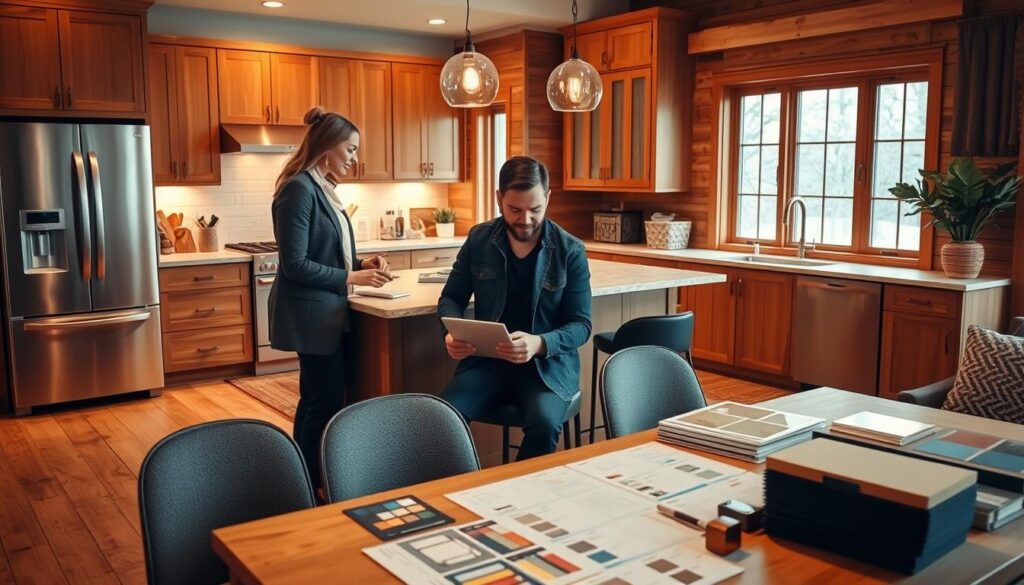
Questions About Your Space and Current Kitchen Usage
Design specialists begin by exploring your existing layout and its challenges. They’ll ask what frustrates you daily and what features currently work well. Natural light assessment and renovation scope complete this spatial evaluation.
Your answers help professionals understand the functional improvements needed. They identify opportunities to enhance workflow and eliminate pain points. This information shapes their initial design concepts.
Lifestyle and Household Requirements Discussion
Expect detailed questions about your household composition and daily routines. Designers explore cooking habits, entertainment frequency, and special accessibility needs. These insights ensure your new space supports your actual living patterns.
They consider how different family members use the area throughout the day. This holistic approach creates kitchens that work for everyone’s needs.
Storage Needs and Functional Preferences
Your storage requirements receive particular attention during consultations. Designers ask about specific items needing easy access and preferred storage solutions. They explore appliance integration preferences and organisational systems.
Discussions cover drawer versus cupboard preferences and specialised storage options. These details help create highly functional and organised spaces.
“The right questions transform vague wishes into practical design solutions that delight homeowners for years.”
Style Preferences and Design Aesthetic
Aesthetic discussions explore your favourite styles, colours, and materials. Designers ask about kitchens you’ve admired and elements you definitely want to avoid. This helps them understand your visual language and create designs you’ll love.
They’ll present various style options and discuss how different finishes perform over time. This ensures your choices combine beauty with practicality.
Budget Considerations and Project Scope
Open conversations about investment ranges help set realistic expectations. Designers ask about areas where you’re willing to splurge or save. They discuss payment structures and project management preferences.
Timeline discussions include your ideal completion date and any important deadlines. This information helps create a workable project plan that meets your needs.
Professionals help prioritise elements within your budget parameters. Their guidance ensures your investment delivers maximum value and satisfaction.
Evaluating and Choosing the Right Kitchen Designer
Making your final selection requires careful consideration of several important factors. This decision impacts your project’s success and daily enjoyment of your new space. Focus on finding professionals who truly understand your vision and needs.
Assessing Communication Style and Listening Skills
Notice how designers respond to your ideas during initial meetings. The best professionals build upon your vision rather than pushing their own preferences. They ask thoughtful questions about your lifestyle and requirements.
Good listening skills indicate someone who values collaboration. Look for designers who remember details from previous conversations. This attention shows genuine interest in creating your perfect space.
Understanding Their Design Process and Project Management
Every firm operates differently in managing projects from concept to completion. Some handle everything from initial drawings to final installation. Others focus solely on the creative design aspects.
Ask about their coordination with tradespeople and suppliers. Understanding their project management approach helps set realistic expectations. Clear processes reduce stress during the renovation journey.
Comparing Service Offerings: Design-Only vs Full Service
Design-only services provide plans and specifications for you to implement. Full-service companies manage the entire project from start to finish. Each option offers distinct advantages depending on your needs.
Consider your available time and project management skills. Full service might suit busy homeowners wanting a hands-off approach. Design-only works well for those who enjoy managing the implementation themselves.
Reviewing Design Tools and Visualisation Capabilities
Modern technology transforms how professionals present their ideas. 3D visualisation tools help you see proposed designs before commitment. These tools provide realistic previews of materials, colours, and layouts.
Virtual reality options offer immersive experiences of your future space. Such technologies prevent costly mistakes and ensure satisfaction. They bridge the gap between imagination and reality beautifully.
Considering Team Size and Company Structure
Larger firms often feature specialised roles like creative directors and project managers. Smaller companies typically offer more personalised attention from a single contact. Both structures have unique benefits for different projects.
Evaluate which approach aligns with your communication preferences. Larger teams might provide more resources and expertise. Smaller operations often deliver more consistent, direct communication throughout.
“The right professional partnership transforms the renovation process from stressful to exciting, delivering results that exceed expectations.”
Payment structures vary between companies offering these services. Some require deposits before beginning design work. Others operate on staged payments throughout the project timeline.
Always review what happens if changes or delays occur. Understanding these details upfront prevents misunderstandings later. Clear agreements protect both parties throughout the collaboration.
As highlighted in professional design evaluations, certification from organisations like the NKBA indicates committed professionals. These credentials demonstrate ongoing education and industry recognition.
Response time during initial enquiries often reflects future communication standards. Prompt, clear replies suggest good client service practices. This attention to detail usually continues throughout your project.
Consider their problem-solving approach when discussing potential challenges. Flexible professionals adapt solutions to unexpected issues. This skill proves invaluable during any renovation project.
Review what support continues after design completion. Some offer ongoing advice during installation. Others provide detailed documentation for your chosen installers.
Ultimately, choose someone who makes you feel confident and understood. Your comfort with their approach ensures a positive experience. This partnership creates spaces that truly reflect your lifestyle and tastes.
Conclusion: Taking the Next Steps Towards Your Dream Kitchen
Your journey towards the perfect culinary space begins with selecting the right professional partner. Thorough research and careful consideration will lead you to designers who truly understand your vision.
Prepare thoroughly for consultations by gathering inspiration images and measuring your space. Consider your budget parameters and daily requirements beforehand. This preparation ensures productive discussions about your project.
Remember that excellent communication skills and genuine listening matter most. The best professionals combine creative expertise with practical understanding of how kitchens work daily. They transform ideas into functional, beautiful spaces.
Trust your instincts when making the final choice. Book meetings with your shortlisted designers to discuss your vision in detail. With the right guidance, you’ll create a kitchen that enhances your home for years.
FAQ
Why should I choose a local kitchen designer?
A local professional offers personal service, understands regional styles, and knows planning rules in your area. This helps create a kitchen that fits both your home and local regulations.
How can I find reputable kitchen designers nearby?
Search online using specific terms, check reviews on trusted sites, and examine portfolios. Look for credentials from bodies like the British Institute of Kitchen, Bedroom & Bathroom Installation.
What happens during a design consultation?
The designer visits your home, assesses your space, and discusses your needs, style, and budget. You’ll review timelines and agree on next steps for your project.
What questions will a designer ask me?
Expect queries about your space, how you use it, storage needs, style preferences, and your budget. This ensures the design meets your lifestyle and functional requirements.
How do I choose the right designer for my project?
Evaluate their communication, review their design process, and compare service options. Check their visualisation tools and consider the size of their team for a smooth experience.